
Put the audience in. Get the sites out.
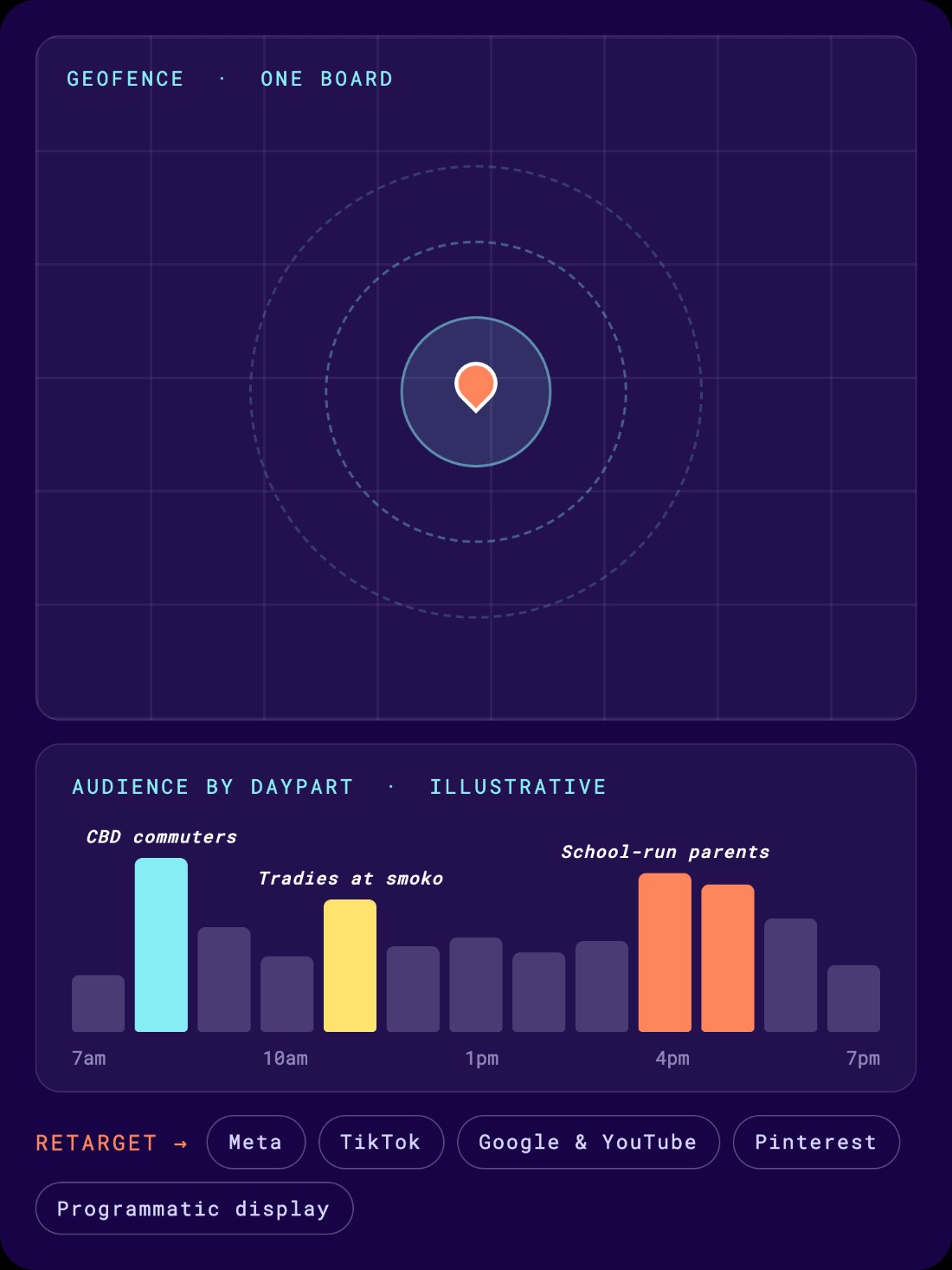
Most outdoor is planned sign first: pick the sites, then get told who probably passed. Halo turns it around. Describe the audience the brief is chasing and Halo ranks every listed space on Winboard by who is actually in front of it, hour by hour, from observed device movement. The sites it surfaces are bookable on the spot at the owner’s rate.
Audience first, sites second, booked third.
Describe the audience.
Pick a ready-made audience or brief a bespoke one: who they are, where they live, what they do, when you want them.
Halo ranks the market.
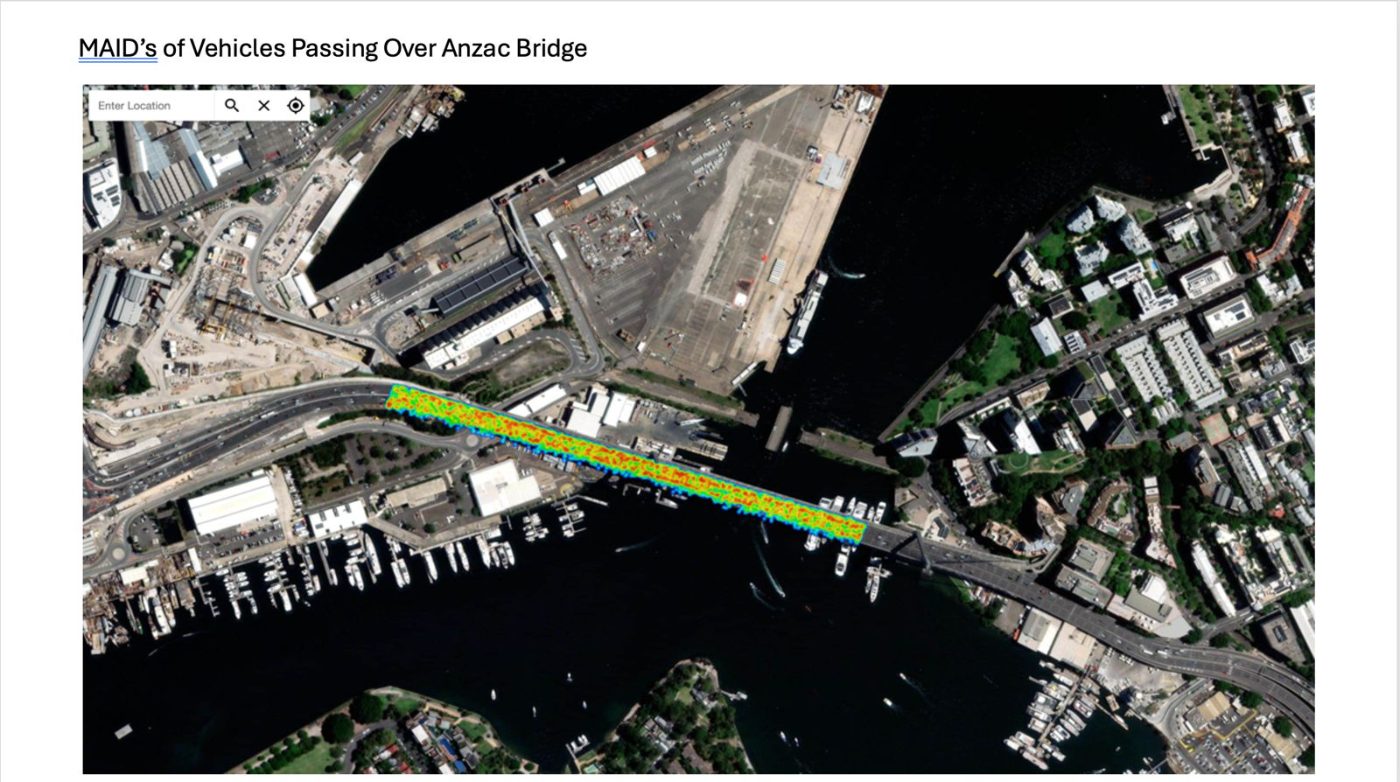
Every listed billboard, screen, venue and precinct is scored against that audience by daypart, from observed movement matched to census, spend and vehicle data. Any geofenced location in Australia, on a network or not.
Build the plan.
Sort by audience fit, not by suburb. See the daypart profile, the owner’s rate and availability on each site before you add it.
Book it.
One insertion order across every owner on the plan. The owner approves inside the workflow.
Prove it, then follow up.
After the campaign, see who actually stood in front of it and reach them again online.


Ready-made, or built in hours.
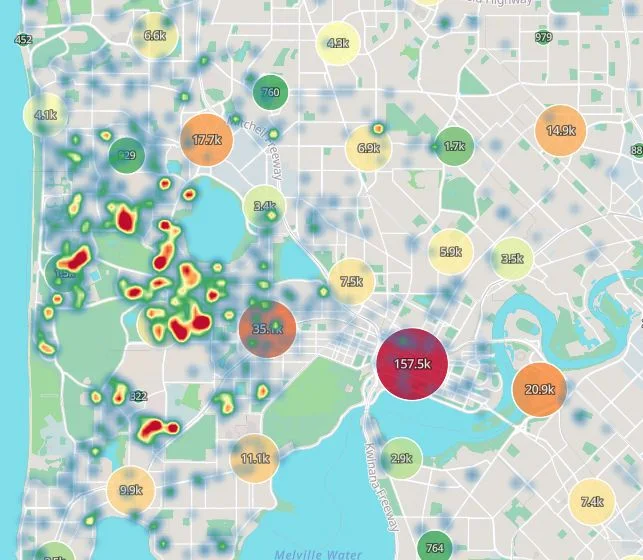
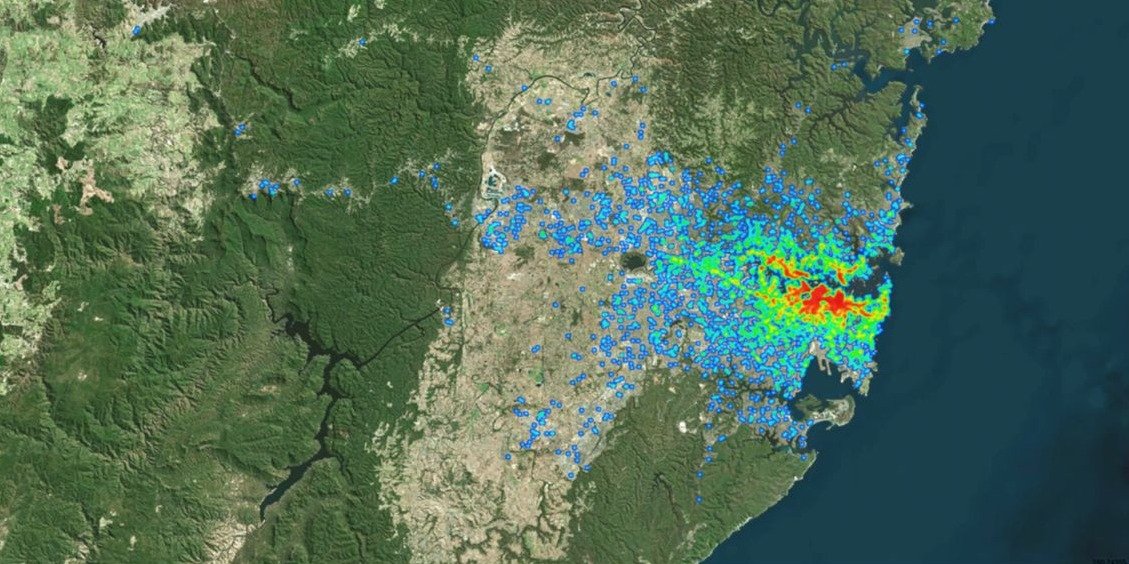
Ready-made audiences include QSR visitors by brand, competitor vehicle owners, tradies, private school families, AFL fans by club, CBD commuters and school-run parents. Bespoke audiences are built from the same data in hours: a mine site’s roster, the catchment of a single shopping centre, people who visited a competitor last month.
Audiences are profiles of observed movement, not lists of people. Halo tells you where an audience is and when; it never identifies an individual. Privacy
The profile before the price.
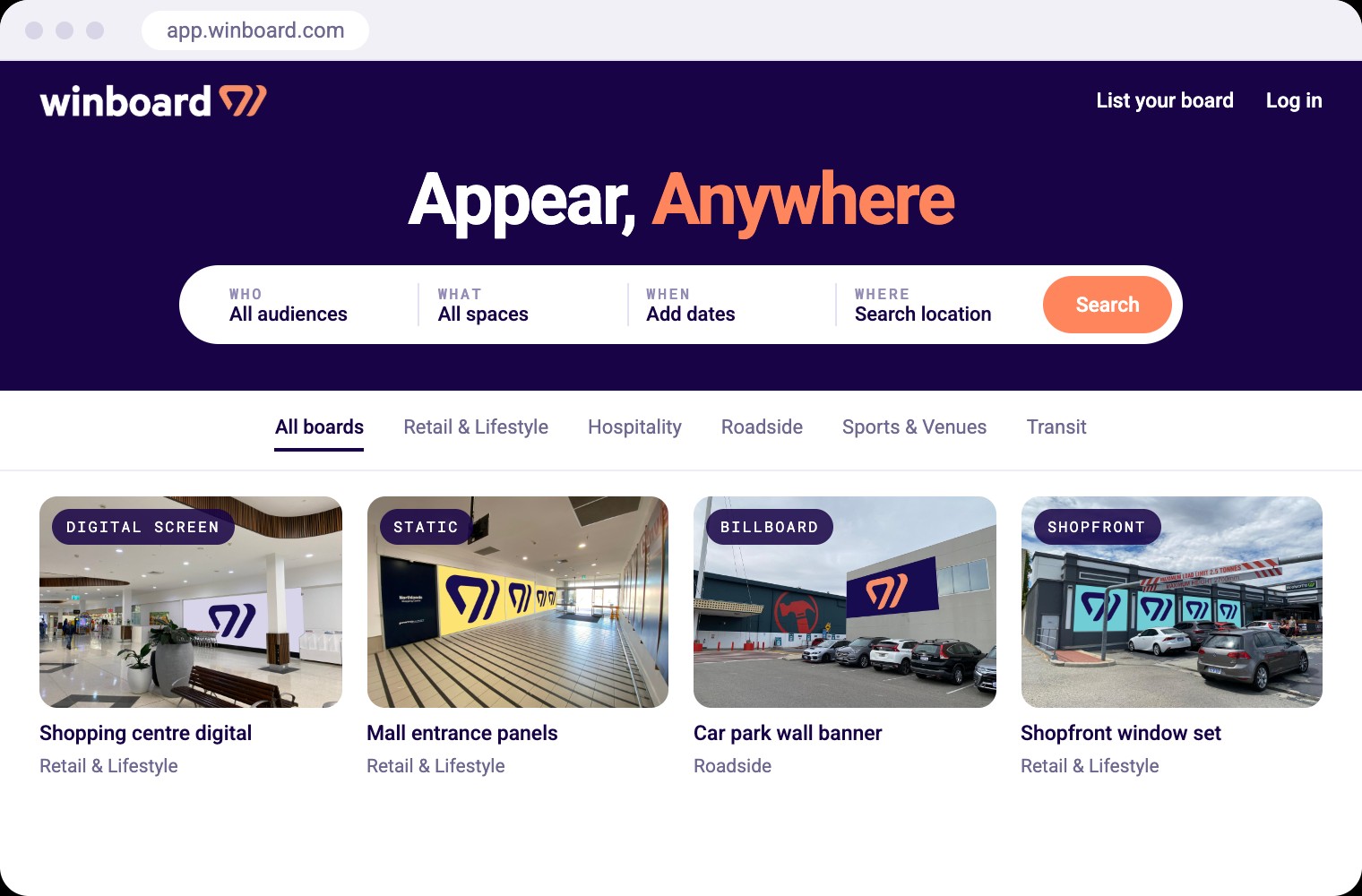
Every listed space on Winboard carries its Halo profile: audience by daypart (age, household, income, occupation, weekly spend), catchment by SA2, dwell and movement, and the share of the brief’s audience it reaches. Beside it, the owner’s rate, availability, specs and creative guidelines. Quote a client in minutes with the audience evidence already in the plan.
Audiences the networks cannot reach.
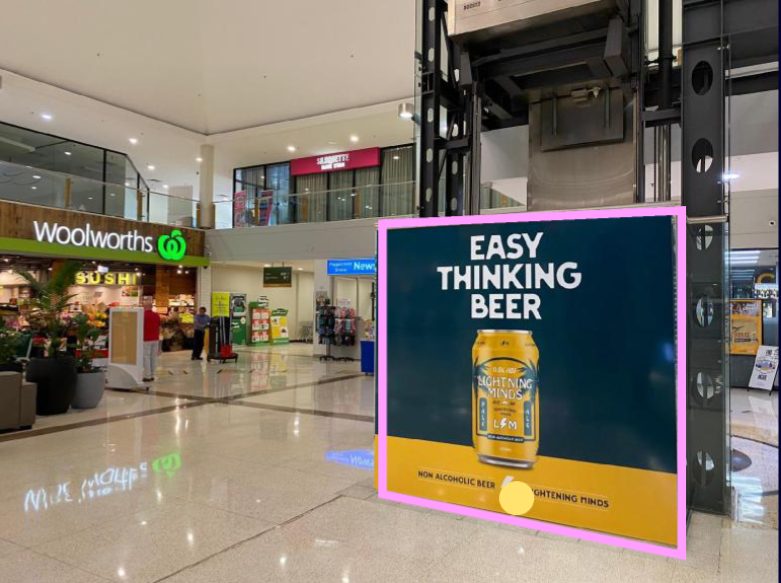
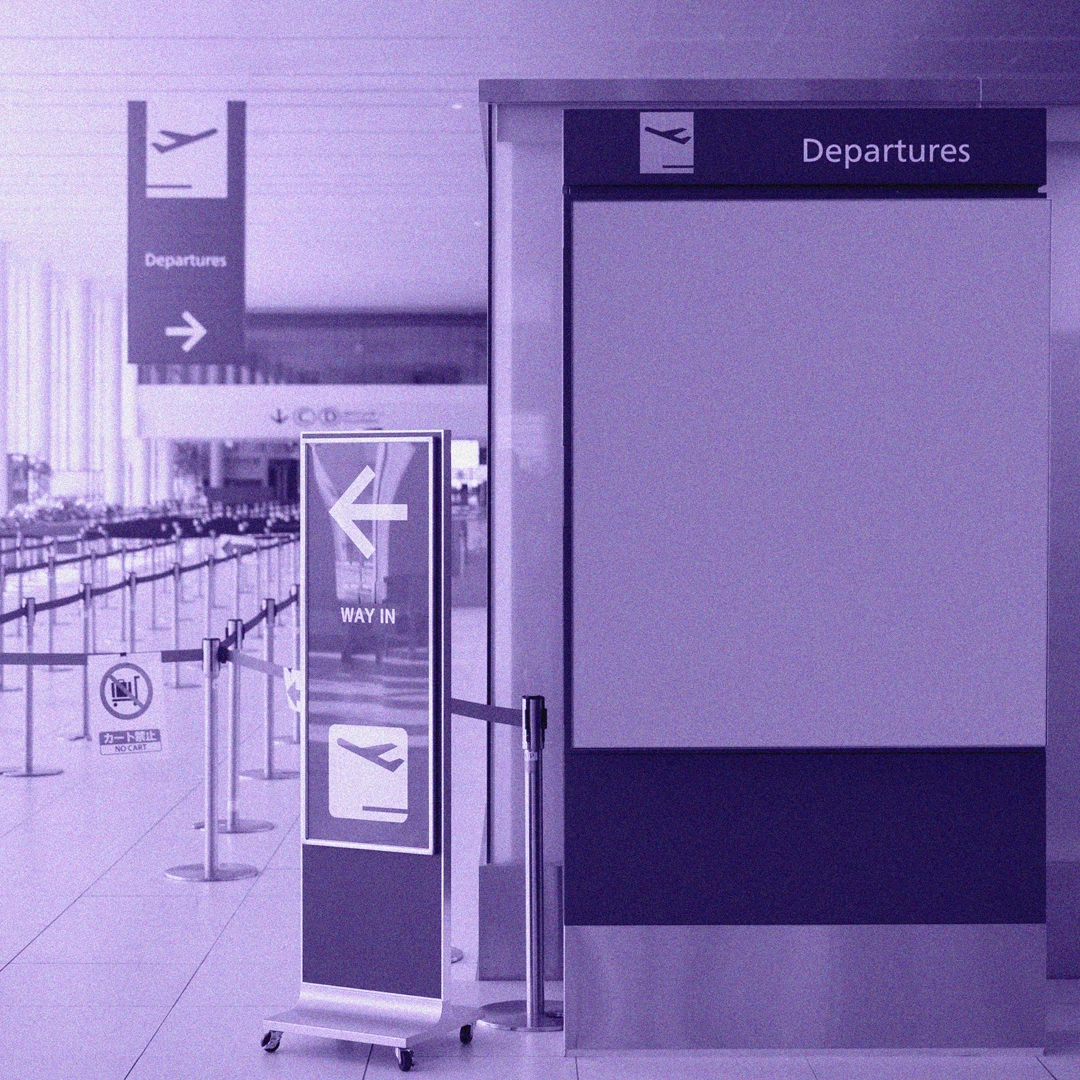
Because Halo profiles any geofenced location, audience targeting on Winboard is not limited to the sites a network owns. The shopping centre with vacant windows, the stadium concourse, the pub network, the airport lounge, the fleet and the mine site camp are all scored the same way. That is where the hard-to-reach audiences live, and it is why Winboard was built.

Questions about audience targeting.
Those platforms target people inside their own apps. Halo targets where people physically are, hour by hour, and books the real-world space in front of them. The two then connect: the audience that saw the campaign can be retargeted on those platforms.
No. Any business can describe an audience and see which listed spaces reach it, at the owner’s rate, with no platform fee. A local trade business targeting its own suburbs uses the same tool as a national agency.
It is observed, not modelled: opted-in device movement matched to census, spend and vehicle data, covering 57 percent of Australian adults and growing. Profiles are aggregated and refreshed continuously.
Yes. Search by location, dates and format as well, then use the Halo profile on each site to check the audience fits.